

US introduces $250 Integrity Fee: Who pays and who gets refunds
The charge affects tourists, students, workers, and exchange visitors from non-Visa Waiver countries
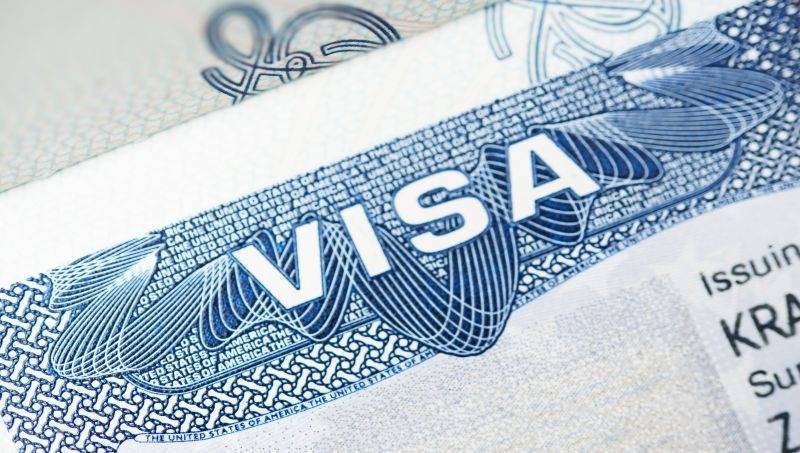
DUBAI – A new visa cost has come into effect for travellers heading to the United States.
From 1 October 2025, a mandatory $250 Visa Integrity Fee is applied to all non-immigrant visas. The new measure stems from President Donald Trump’s “One Big Beautiful Bill”, signed into law on 4 July 2025, and marks a significant change to visa applications for tourists, students, workers, and exchange visitors worldwide.
The charge comes on top of the existing machine-readable visa (MRV) application fee and any reciprocity charges already paid by non-immigrant visa applicants. The Department of Homeland Security (DHS) will review the figure annually, with inflation adjustments starting in fiscal year 2026.
What is Visa Integrity Fee?
The Visa Integrity Fee is a new compulsory charge for all categories of non-immigrant visas, including B-1/B-2 tourist and business visas, F and M student visas, J exchange visitor visas, and H-1B and H-4 work visas. The fee cannot be waived or reduced, regardless of circumstances, and must be paid at the time of visa application.
According to DHS, the purpose of the Integrity Fee is to strengthen compliance and fund enhanced enforcement against visa overstays and unauthorised employment.
Who must pay?
The fee applies to all non-immigrant visa applicants from countries outside the US Visa Waiver Programme. This includes travellers from India, Brazil, China, and Argentina, among many others. For example, an Indian applicant for a visitor visa will now pay about $442 in total, one of the highest visa application costs globally.
Diplomatic and government officials travelling on official duty are exempt, as are US citizens and permanent residents.
Who is exempt?
Not every traveller will face the new $250 cost. Those entering under the Visa Waiver Programme – which includes the UK, Japan, South Korea, and most of Europe – are exempt, as are most Canadian citizens who do not require a visa to enter the United States. Immigrant visa applicants are also unaffected, since the Integrity Fee is strictly for non-immigrant categories.
How do refunds work?
While the fee is mandatory, applicants may recover the amount under certain conditions. A refund will be granted if the visa holder fully complies with US immigration rules, including avoiding unauthorised employment. They must also either:
- Depart the United States no later than five days after their authorised stay ends, or
- Obtain a legitimate extension or adjustment of status through proper channels.
Travellers who overstay, breach their visa conditions, or fail to depart within the grace period will forfeit their eligibility for reimbursement.
What other fees exist?
The “One Big Beautiful Bill” also brought in additional costs alongside the Integrity Fee. A new $24 fee applies to foreigners applying for a Form I-94 Arrival/Departure Record, which is required for nearly all non-citizen visitors except US citizens, permanent residents, immigrant visa holders, and most Canadians. A further surcharge across all visa categories will support fraud detection and enforcement.
Where could the impact be felt?
The Integrity Fee is expected to generate billions of dollars annually, but higher costs could deter international visitors. Analysts estimate that up to 5.4 percent of travellers may cancel plans, potentially reducing nearly one million trips a year and cutting tourism revenue by $29 billion, particularly from key markets such as India and Brazil.